
Settlemate
SettlemateFinance
4.32.24K Reviews
- Version
- 4.5.1
- Installs
- 500.00K
- Age Rating
- Everyone
Screenshots



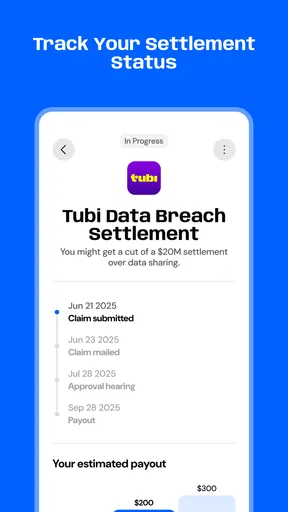
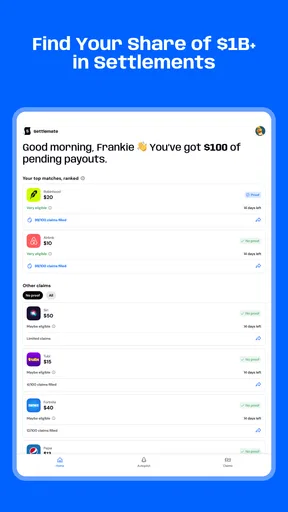
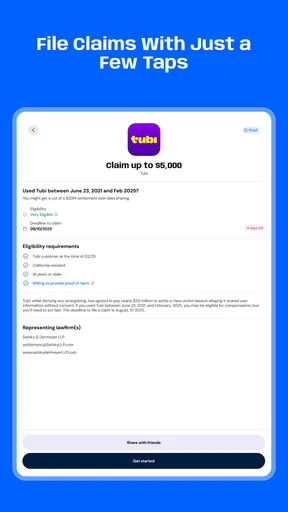
Our Review of Settlemate
 Analysis by Appyee
Shared spending usually starts with a simple plan and ends with someone scrolling through messages, receipts, and mental arithmetic to work out who paid. I’ve found Settlemate most useful when a group wants one place to keep those details straight, rather than relying on one person to remember every meal and ride. It’s a finance app from Settlemate, and its focus is narrow in a helpful way: tracking expenses that several people need to divide.
That focus makes it easier to judge what it is—and what it isn’t. I’d consider it for a trip, a shared household, or a recurring group outing, where the main problem is keeping an accurate record and agreeing on a fair split. I wouldn’t treat it as a general budgeting tool or a way to move money; the useful work here is organizing shared costs and showing how the group can settle them.
Start with the group, not the calculator
A good time to set up a group is before the first shared purchase, while everyone still agrees on who is participating. For a weekend away, that might mean inviting the travelers before anyone books groceries or pays for fuel. For roommates, it could be the people who regularly share household costs. Doing this early gives the group a common place to record expenses instead of reconstructing them from scattered chats later.
First off, downloading and setting up Settlemate is a breeze. Available on both Android and iOS, the app doesn’t weigh heavy on your storage, which is always a plus in my book. Once you have it installed, you’re greeted with a clean, intuitive interface. No clutter, no confusion—just straightforward navigation.
Setting up your first group is simple. Whether it's for a weekend trip, a shared apartment, or just your lunch crew, you can create a group, add members, and you’re all set. The app allows you to invite others via a link, so no need to manually input emails or phone numbers. I appreciated how user-friendly this was, especially when you're in a hurry.
That invitation handoff is practical, but it also gives the group a small job to do: everyone needs to join the same group and understand which purchases belong there. I’d settle that convention up front. For instance, agree whether a shared grocery run goes into the household group, and whether personal snacks stay out. A clear rule prevents the app from turning into a tidy record of expenses that were never meant to be shared.
Recording costs and getting everyone to agree
Before anyone starts entering amounts, I’d use this section to set a simple rule for what belongs in the shared record and who should check each entry. That early agreement makes the next step—recording costs while the details are still clear—much smoother, especially when the group’s purchases involve different people or uneven participation.
Enter the expense while the details are fresh
The most reliable workflow is to add a cost soon after paying, when the amount, payer, and purpose are easy to recall. If one person covers lunch, they can record it for the group rather than waiting until the end of the week. If the entry needs context, a note or receipt can help answer the later question of what the charge covered. That small habit is more valuable than trying to rebuild a perfect history from bank statements after the fact.
The app boasts several features that make managing expenses a lot less headache-inducing. Here are a few that stood out to me:
- Expense Tracking: You can add expenses in any currency, and Settlemate will handle the conversions for you. This is super handy if your group includes international friends.
- Split Methods: Not all expenses are created equal, right? With Settlemate, you can split bills equally or customize the split based on who owes what. This flexibility is a real lifesaver.
- Debt Simplification: The app cleverly simplifies debts between group members, reducing the number of transactions needed to settle up. No more endless back-and-forth!
Equal splitting is an easy default for shared meals or a common taxi, but it can be unfair when only some people took part. I’d use a custom split for a grocery shop that includes household staples plus something only one roommate uses, or for a group booking where a couple of people arrive late. The useful trade-off is that a more accurate division takes a little more thought at entry time. It’s worth that effort when the difference would otherwise become an awkward conversation later.
Currency conversion is especially relevant on a trip where one person pays in a local currency and the group thinks about its share in another. I’d still check that everyone understands the amounts being recorded and agrees on the expense before treating the running balance as final. A converted figure makes the arithmetic easier; it doesn’t decide whether a purchase belonged to the group or whether the split was fair.
Use the record as a handoff, not a verdict
Once expenses are entered, debt simplification can reduce the number of payments needed between members. That is a useful summary when several people have paid for different things: instead of settling every purchase one by one, the group can focus on the smaller set of balances the app works out. I see this as a practical handoff from the person who entered costs to the people who need to settle them.
It still helps to review the entries together before paying. If a balance looks surprising, trace it back through the expense history, notes, and receipts rather than assuming the calculation is wrong. Sometimes the issue is simply that one purchase was recorded under the wrong group or split. Keeping the record clear makes it easier to resolve that kind of mismatch without turning a small amount into a personal dispute.
Another feature I loved was the ability to add notes and receipts to expenses. This is perfect for those "What was this for?" moments. Plus, the app keeps a detailed history, so you can always go back and check past transactions.
For a realistic example, imagine three friends taking turns paying for shared meals during a short trip. One person covers breakfast, another pays for a ride, and a third picks up groceries. If each payer enters the cost promptly, the group can later review what was shared, make a custom adjustment where someone didn’t participate, and use the simplified balance to decide how to settle. If entries are delayed, a receipt and note can recover context—but they can’t reliably replace agreement about who took part.
Where it fits among the usual options
The familiar alternative is a group chat plus a notes app or spreadsheet. Those can work for a small number of purchases, especially if one person is happy to maintain the totals. Their weakness is that the group must do more of the calculation and keep the record organized by hand. Settlemate is a better fit when multiple people pay, expenses need different splits, or the group wants a clearer route from entries to balances.
A calculator or a simple equal-split tool can be faster for one bill. I wouldn’t add every shared purchase to a group expense app if the amount is tiny and everyone is present to settle immediately. The benefit grows when costs accumulate, currencies differ, or the payer changes from one expense to the next. Choosing the lighter option for a one-off meal is not a failure to use the app; it’s simply matching the tool to the size of the problem.
There is also a social difference between a shared record and a private tally. A group-based workflow gives participants a chance to see the same expenses and question an entry while details are fresh. That can reduce misunderstandings, but it depends on members actually joining and checking the record. If one person enters everything and nobody else reviews it, the app can organize the information without creating shared agreement.
Who benefits—and when I’d choose something else
I’d recommend it most to people who repeatedly share costs and want a more dependable record than memory or a chat thread. Roommates can use it to keep household spending from blurring into personal purchases. Friends planning a trip can track different payers and currencies. A regular lunch group can use it when people rotate who pays and a simple equal split is usually fair.
I’d skip it for someone looking for personal spending categories, a full household budget, or an automatic replacement for discussing money. It is also a poor match for a group that refuses to record costs as they happen: late entries invite forgotten details and disagreements, no matter how neatly balances are calculated. If a purchase is sensitive or not genuinely shared, it’s better not to put it into a group ledger merely because the app makes entry convenient.
One practical tip is to keep each group’s purpose narrow. A dedicated trip group is easier to review than a catch-all group mixing travel, groceries, and occasional outings. Another is to agree on a cut-off point before settling, so a late expense doesn’t appear after everyone thinks the account is finished. These habits aren’t extra features; they’re simple ways to make the app’s tracking and history more useful.
Cost, pace, and the points that may cause friction
The app is free to install, with in-app purchases listed from $13.99 to $34.99 per item. I’d start with the free experience and decide whether any paid option matters to the way your group works, rather than assuming every participant needs to buy something. Because this is shared-expense software, it’s sensible to agree on the group’s approach before relying on a paid feature for an important trip or household routine.
Its public reception is strong: Settlemate has a 4.8 average from around 27,000 ratings, with over 100,000 installs and about 1,500 written reviews. It is rated for Everyone, and version 4.1.0 supports Android 8.0 and later. Those figures make it an established choice for a focused expense-splitting task, though a rating can’t tell you whether your particular group will consistently enter and review its costs.
The main friction I’d watch for is not arithmetic but coordination. Members need to join, agree on what counts as shared, and correct mistakes before balances are treated as final. If someone is uncomfortable with a group expense record, or expects automatic bank tracking and money transfers, this may not be the right tool. I’d also avoid assuming that a receipt alone resolves a disagreement: it can show what was bought, but the group still has to decide how that purchase should be divided.
What to expect after the numbers are settled
Settlemate is at its best when it turns a messy trail of payments into a record the group can understand and act on. It does not remove the need for a quick conversation about participation, unusual splits, or a correction. Instead, it gives that conversation something concrete to refer to, which is often enough to keep ordinary shared spending from becoming a recurring source of irritation.
Let’s talk about why Settlemate is a cut above the rest. For one, the app doesn’t bombard you with ads. I mean, who wants to be interrupted by ads when you’re trying to figure out who owes what? Also, the in-app support is stellar. I had a couple of questions while setting up my first group, and the support team was prompt and helpful.
Another huge plus is that Settlemate respects your privacy. There’s no unnecessary data collection, which is a big deal in today’s digital age. You can feel safe knowing your financial details are secure.
Still, I’d treat any shared financial record with care: enter only expenses the group needs to manage, and check the details before acting on a balance. A clear history is useful, but it isn’t a substitute for deciding what information you’re comfortable sharing with other members. That little bit of care makes the workflow feel more trustworthy in practice.
Room for Improvement
Of course, no app is perfect. While Settlemate is fantastic, I noticed a couple of areas that could use a tweak. For instance, a dark mode option would be a great addition for those late-night expense entries. Also, while the app is pretty intuitive, a short tutorial or guide for first-time users wouldn’t go amiss. A little extra guidance can make the experience smoother for everyone.
Final Thoughts
Overall, I’m genuinely impressed with Settlemate. It’s a robust, reliable app that does exactly what it promises—makes managing shared expenses easy and stress-free. Whether you’re a frequent traveler, living with roommates, or just need to keep tabs on group expenses, this app has got you covered. So go ahead, give it a try. Your wallet—and your friends—will thank you!
Verdict
Strengths of Settlemate
- User-friendly interface for quick navigation.
- Comprehensive budgeting tools included.
- Secure data encryption for privacy.
- Customizable alerts for financial updates.
- Multi-device synchronization available.
Limitations of Settlemate
- Limited free version features.
- Occasional syncing delays reported.
- No offline access functionality.
- Premium version is relatively expensive.
- Customer support response time varies.
Similar Picks in This Category
View All
Google Wallet
Google LLC4.3

Airtel: Recharge, Bank & Loans
Airtel4.0

PayPal - Pay, Send, Save
PayPal Mobile4.2

DANA Indonesia Digital Wallet
PT Espay Debit Indonesia Koe4.5

Binance: Buy Bitcoin & Crypto
Binance Inc.4.8

Cash App
Block, Inc.4.7
Frequently Asked Questions
What is Settlemate?
Settlemate is a personal finance app designed to help users track expenses, manage budgets, and plan financial goals. It offers features like transaction categorization, budget planning, and financial analytics to give users a comprehensive view of their financial health.
Is Settlemate available on both Android and iOS?
Yes, Settlemate is available for download on both Android and iOS platforms. Users can find it on the Google Play Store for Android devices and the Apple App Store for iOS devices. Ensure your device meets the minimum requirements for a seamless experience.
How does Settlemate ensure the security of my financial data?
Settlemate prioritizes user privacy and employs advanced encryption technologies to protect financial data. It does not store sensitive information on its servers and offers features like biometric authentication to ensure that only you can access your financial details.
Does Settlemate support multiple currencies?
Yes, Settlemate supports multiple currencies, making it ideal for users who travel frequently or manage finances in different countries. You can easily switch between currencies and track expenses in the local currency of your choice, making it versatile for global use.
Are there any costs associated with using Settlemate?
Settlemate offers both a free version and a premium subscription. The free version includes basic tracking and budgeting features, while the premium version unlocks advanced analytics, personalized insights, and ad-free usage. Users can choose based on their specific financial management needs.
